
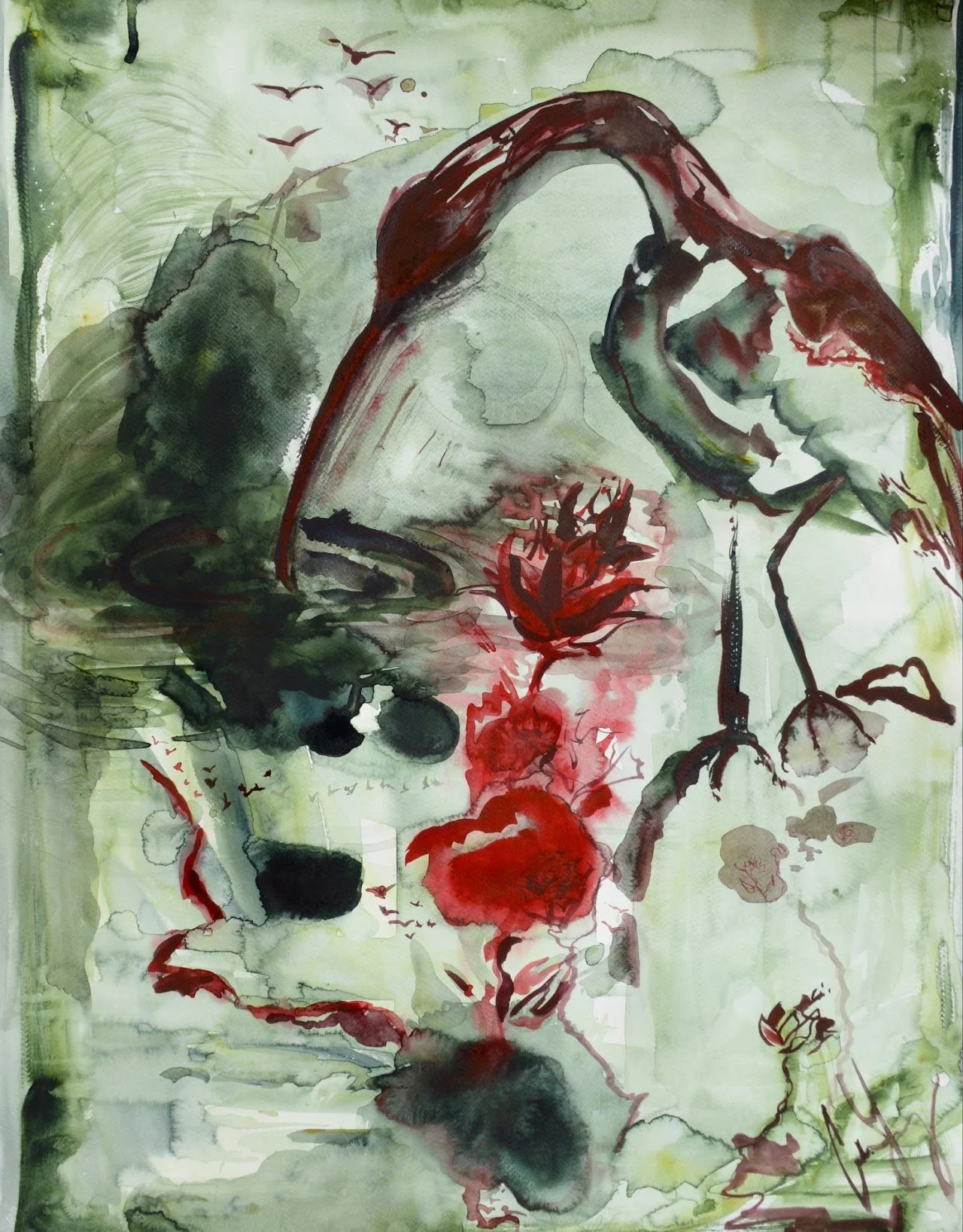
Thoughts on Tending
To pull out a weed, you need to dig a little and pinch where the stem meets the root. Shimmy the plant out of the earth gently. It’s important to be firm but delicate when you’re pulling. If you yank too hard, the stem might rip. That’s not good, because if you leave the roots, the weed will probably grow back—fast. It helps if you know the weed’s name because then you can look up what conditions are allowing it to thrive. And you can change those conditions. This only works sometimes. Because often, the same conditions that grow weeds are the ones that grow your flowers.
When you finish pulling the weeds, leave them on the rocks to dry. There, the sun can bake them. They turn from green to brown to gold. When they’re gold, that means they’re dry. You can scatter the gold weeds over the bare spot you had plucked. This keeps the topsoil moist and stable. It’s a blanket. It keeps the weeds asleep.
Isn’t it beautiful how giving purpose to the death of a weed can keep others from growing? Well-placed dead weeds can slow the cycle of new weeds sprouting. There is a metaphor somewhere in this.
When I first started pulling weeds, I felt a pang of guilt. Why must I favor one plant over the other? Why does this one have to die?
Then I realized that the plants in the garden were the chosen ones. And when you choose a flower, or a bush, or a tree for your garden, you must protect it.
The roses have to work much harder to drink when the weeds crowd them. The weeds will suck up the water close to the roses' roots. The energy the flower could be spending growing rosehip has to go towards growing deeper roots. The roses have to survive before they can thrive. A rose fighting for water will have a harder time flowering.
Good gardeners must be lucid. They see, they acknowledge, and they choose. It’s important to pluck the plants they haven’t chosen, else, the garden will be overtaken by the intruders. An overtaken garden is no longer the gardener’s. It belongs to the weeds.
It's important not to be afraid of the weeds. Yes, they will come back. But you will too. And the security of your garden comes not from its absence of weeds, but from you tending. The garden is not static. Nor are you. A good gardener has come to terms with the inevitability of weeds. You’ll eventually grow delighted in their tending. It becomes habitual.
It’s only possible to pull weeds that have sprouted. It’s not worth worrying about future weeds. That’s what herbicides try to do. It promises the gardener that there will be no future sprouts. It gives you certainty over the future; your decision becomes timeless.
Herbicide comes at a cost. Your flowers will suffer; they’ll sip poison. And if you try to eat your blueberries, you’ll eat the poison too.
It’s better to pull out the weeds as they come. Living and thinking in the same moment as your garden is a much happier existence.
This means watching as sprouts emerge. You don’t have to pull until you know it’s a weed. There’s always a brief period of not knowing whether what’s emerging is what you planted—or something else.
Regardless of whether it's a weed or a rose sprout, it’s important to watch it with intent. Both will require action soon. Assigning more value to one is dangerous. Because then you’ll anticipate your preference. And your mind will no longer reside in the same moment as your garden.
One of the hardest moments in gardening is when there are no sprouts at all. Not even weeds.
There’s a sharp edge to waiting. It stabs into your insecurities. Did you forget to water the bed? Was the season too hot? Is there a problem with the soil? You’ll second-guess. It’s important to remember that the timing of a seed germinating is largely out of your control. Everything can be set up well, but nature may wait. And that’s okay.
There will be seasonal death. This is inevitable. Rose petals will fall. Rose hips will emerge. Remember, rose hip is a fruit. It has seeds inside.
I’m still learning to be a better gardener. But I know it’s a process.
Thoughts on Tending was included in the Yale class anthology presented at the 2026 class day graduation ceremony.
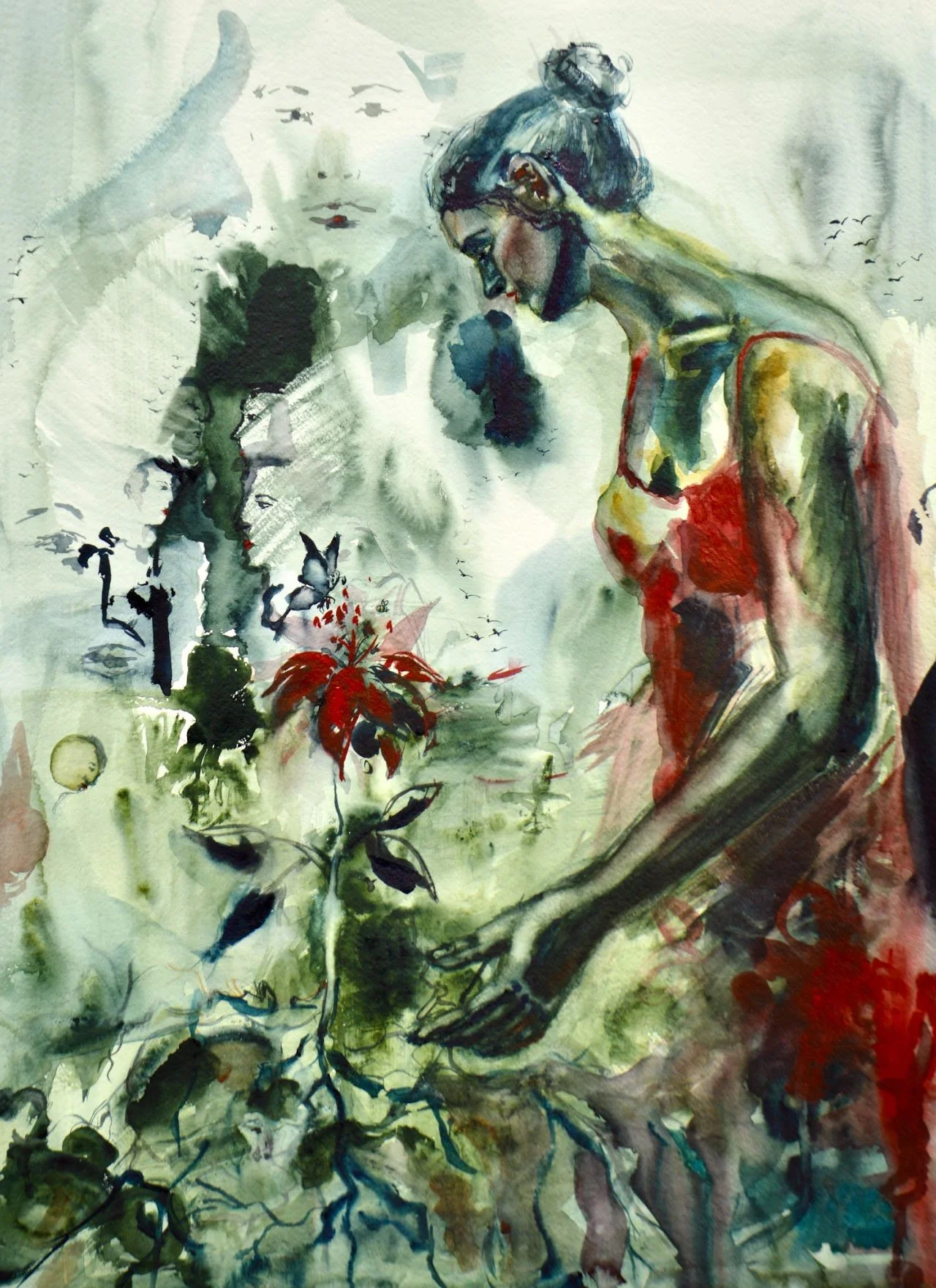
Rooted
Woman